


Physical video game collecting has changed from simply keeping a few favourite games to assembling complete console libraries, regional variants, limited editions and carefully documented collections. The longer a collection stays in someone's care, the more important its storage environment becomes. A PlayStation game case might contain a disc, printed cover, booklet and advertisements. A Nintendo cartridge could have a paper label, plastic shell and electronic contacts. A sealed collector's edition might combine cardboard, shrink wrap, adhesive labels and several different types of plastic.
If you are researching how to preserve video games, long-term video game storage, how to store PS5 and PS4 games, Nintendo Switch game preservation, Xbox disc storage, preventing game case yellowing, or protecting sealed video games, the answers are not all the same. Different materials respond differently to light, heat, humidity, handling and pressure. The safest approach is to understand what is being preserved before deciding how to store or display it.
This guide covers practical game collection preservation for original PlayStation, PS2, PS3, PS4 and PS5, Original Xbox, Xbox 360, Xbox One and Xbox Series X, Nintendo Switch and Switch 2, and older cartridge formats such as NES, SNES, Nintendo 64, Game Boy and Sega. It also explains budget storage, specialist enclosures, display cabinets and aluminium wall frames without assuming that every game needs a costly solution. For most collections, good location, careful handling and a stable environment matter more than expensive accessories.
What does preserving a video game collection actually mean?
Preservation has several separate goals. Physical preservation means keeping the cartridge, disc, case, label, manual, packaging and inserts in good condition. Functional preservation means retaining the ability to play the game on working hardware. Collection documentation means knowing which edition you own, what came with it, where it came from and how its condition changes. A fourth concern is digital access, because some physical releases also depend on downloads, updates, authentication or network services.
A beautiful wall display can help presentation and reduce casual handling, but it cannot guarantee a disc will remain readable or an online-dependent game will always function. Equally, a cartridge stored in a dark cupboard might be physically well protected yet difficult to inspect or catalogue. Good collecting habits make these goals work together rather than treating presentation as preservation itself.
For a valuable collection, begin by deciding whether your priority is playing, displaying, collecting sealed copies, retaining original packaging or maintaining a complete archive. The right balance can change from game to game.
What parts of a physical video game can deteriorate?
A single complete-in-box game may contain several materials with different vulnerabilities. Paper can crease or fade, cardboard can absorb moisture, plastics can yellow or become brittle, metal contacts can corrode, and optical discs can be scratched or develop read problems. Even the adhesive holding a price label can become troublesome after years of heat and age.
The following comparison is a starting point, not a prediction that every item will suffer the same damage.
| Component | Main vulnerabilities | Sensible preventive approach |
|---|---|---|
| Printed cover artwork and manuals | Light fading, creases, moisture, handling wear | Keep out of direct sun; support paper and limit handling |
| Cardboard boxes and inserts | Crushing, edge wear, mould, humidity changes | Store upright with support or in appropriately sized protective boxes |
| Plastic game cases | Scratches, heat distortion, discolouration, broken clips | Avoid heat and pressure; clean only with suitable methods |
| Optical discs | Scratches, fingerprints, material instability, read errors | Handle by edges; keep in supported cases and a stable environment |
| Cartridges | Dirty or corroded contacts, shell damage, label wear | Keep dry and clean; avoid aggressive cleaning and repeated impacts |
| SteelBooks and metal packaging | Dents, scratches, corrosion if conditions are poor | Separate from abrasive surfaces; keep away from damp storage |
| Sealed games | Wrap tears, crushing, fading, label damage | Minimise handling; use correctly fitted external protection |
The five biggest risks to long-term video game storage
In ordinary homes, the major concerns are excessive light, heat, moisture, physical handling and poor storage design. Dust, pests and accidental water damage add further risk. None is eliminated by placing a game behind a clear panel or inside a sleeve.
Collectors tend to focus on whichever problem is easiest to see, such as a yellowed case or faded spine. Less visible issues can be just as important. A garage might look dark enough for storage but experience extreme summer heat. A tightly packed bookshelf may be tidy but press against cardboard boxes. A display cabinet might reduce dust while trapping heat if bright lighting is installed inside it.
Rather than choosing accessories first, assess the room and how the games are handled. Many improvements cost little or nothing.
Temperature: why cool and stable conditions matter
Higher temperatures generally accelerate chemical change in many paper and plastic materials. Heat also affects adhesives, packaging films and potentially the physical behaviour of plastic cases. A collection exposed to a hot attic for years faces a different environment from one kept in an ordinary climate-controlled living room.
There is no single experimentally validated temperature that guarantees decades of survival for every PS5 disc, Game Boy cartridge and printed Nintendo box. The useful domestic principle is avoid excessive heat and repeated extremes. A stable indoor room is usually preferable to an uninsulated shed, car boot or sunny window area. The Canadian Conservation Institute's guidance on plastics and paper explains why different materials respond differently to temperature.
If your room becomes very hot every afternoon, moving the collection to a more stable part of the home may offer a more useful improvement than purchasing a premium protector and leaving the games in the same location.
Relative humidity: the difference between dry, damp and stable
Relative humidity (RH) describes how much moisture the air contains relative to the maximum it could hold at that temperature. It matters because paper, cardboard and many adhesives respond to moisture. High humidity encourages mould and can contribute to distortion, corrosion and the deterioration of some plastics or coatings.
For many mixed indoor collections, a reasonably stable moderate humidity is a sensible goal. Conservation guidance for paper frequently recommends avoiding prolonged high RH, while Library of Congress guidance for audiovisual media describes a relatively dry storage environment. These sources are not a product-specific humidity warranty for gaming collectibles.
An inexpensive hygrometer can reveal whether a room regularly becomes damp. If measurements are consistently high, address the source of moisture and ventilation rather than sealing damp games into airtight containers and hoping the problem disappears.
How humid is too humid for stored video games?
There is no universal threshold above which every game will be damaged. However, prolonged elevated humidity is a warning sign, especially when cardboard, printed covers or manuals are involved. The Canadian Conservation Institute warns that damp conditions encourage mould and that paper collections benefit from avoiding sustained high humidity.
Look for practical clues: musty smells, visible condensation, paper that feels wavy, persistent dampness around walls or furniture, and mould on nearby surfaces. Do not use smell alone to diagnose a valuable game. If you suspect active mould, isolate the affected item from the collection and seek appropriate conservation advice rather than brushing it over clean games.
In humid climates, storage away from exterior walls, water pipes and poorly ventilated cupboards may help. A dehumidifier can be useful when real measurements justify one, but it still needs monitoring.
Why rapid temperature changes can be a problem
When temperature changes, relative humidity often changes too. Moving a cold item suddenly into a warm, humid room can create condensation under some conditions. Repeated cycles can also affect materials that expand or contract differently.
For ordinary collectors, avoid leaving games overnight in a vehicle, moving them repeatedly between hot and cold rooms, or placing them beside heating and cooling outlets. If a collection has been transported through very cold conditions, allow it to acclimatise before unwrapping sensitive packaging. Do not attempt improvised freezer or refrigerator preservation of mixed games: moisture control and acclimatisation are more complicated than simply lowering the temperature.
Sunlight and UV: what happens to game cover art?
Video game cover artwork is a printed object. Like posters, photographs and other printed materials, it may change colour with enough light exposure. UV radiation contributes to deterioration, but visible light can also contribute to fading. The intensity and duration of exposure matter, and the exact sensitivity depends on inks, paper, coatings and previous storage conditions.
A row of brightly coloured Nintendo Switch spines or PlayStation covers may look excellent near a window, yet it is worth checking whether direct sunlight falls on them at certain times. Moving a shelf to an interior wall or using blinds may offer more protection than relying on the colour of the case plastic. Faded artwork cannot simply be restored by returning the game to darkness.
Our separate guide, Can Sunlight Fade Video Game Cases?, looks specifically at printed cover artwork and light exposure.
Does a plastic game case provide UV protection?
Some plastic formulations filter some wavelengths of ultraviolet light, but ordinary PlayStation, Xbox and Nintendo packaging does not come with one universal UV-blocking percentage. The colour of a case, whether blue, green, clear or red, is not a reliable substitute for a spectral transmission report.
A case can provide good everyday protection against handling while leaving the printed cover vulnerable to prolonged intense light. If UV filtration is a priority, look for a product-specific acrylic or glass specification, including the measured wavelength range. Do not assume a protective sleeve blocks 99% of UV solely because it is thick or transparent.
See Do Plastic Video Game Cases Block UV Light? for a deeper explanation.
UV-resistant acrylic is not a guarantee against fading
UV-resistant, UV-stable and UV-filtering are not identical technical claims. A material may resist yellowing itself without filtering all radiation that could reach the game behind it. Specialist UV-filtering glazing may reduce exposure across a broader part of the ultraviolet spectrum, while visible-light exposure and heat remain relevant.
Even a genuine 99% UV-filtering specification must be interpreted against the supplier's defined test conditions and wavelengths. It does not mean the object becomes immune to sunlight. That is why an indoor wall outside direct sun is a good foundation regardless of whether a collector uses inexpensive shelving or museum-grade acrylic.
Our UV Protection for Video Game Cases cornerstone explains the materials and wavelength claims in more detail.
How dust and airborne pollutants affect collectibles
Dust may carry abrasive particles and pollutants. On a plastic case it can make cleaning more difficult; on exposed paper and cardboard it creates handling and contamination risks. Dust can also enter a poorly maintained display cabinet or accumulate around electronics.
Closed cabinets and suitable protective enclosures reduce exposure but are not automatically airtight. Housekeeping matters: clean shelves regularly, keep food and drink away from games, and remove loose dust before wiping clear surfaces. Avoid spraying household cleaners directly onto a game case that contains paper artwork.
If a collector's edition has unusual plastic, rubber or foam components, be alert to deterioration and off-gassing. Some plastics age less predictably than ordinary rigid cases. Isolation and specialist advice are preferable to tightly enclosing a visibly degrading item with pristine packaging.
Avoid attics, garages, sheds and damp basements
The problem with many storage locations is not that they are always unsuitable; it is that they often experience environmental extremes that are easy to overlook. Attics may reach high temperatures, garages can be humid or dusty, and basements may have leaks or mould risks.
If you need overflow storage, choose a location you can monitor. Keep boxes off floors that could flood, away from direct sunlight and away from walls with condensation. Heavy boxes should have stable shelving rather than being stacked in tall columns. A simple environmental check every few months is more useful than assuming a closed storage tub makes any room safe.
Shelves versus cabinets versus frames: which preserves games best?
There is no single best display method for every collector. Shelves are inexpensive and accessible. Cabinets can reduce dust and handling. Display frames can give selected games a dedicated wall presentation and help keep a fixed arrangement. Dark storage boxes may be more appropriate for items being preserved rather than viewed.
| Method | Main advantage | Limitation | Best suited to |
|---|---|---|---|
| Open shelves | Affordable, accessible, expandable | Dust and exposure to room light | Large everyday collections |
| Clear stands or ledges | Face-out presentation at low cost | Less physical enclosure; handling still possible | Selected favourites and rotating displays |
| Closed cabinets | Dust reduction and organised storage | Still affected by room climate and internal lighting | Medium to large mixed collections |
| Individual protectors | Additional barrier to scuffs and casual handling | Fit and material specifications vary | Valuable cases and sealed editions |
| Aluminium wall display frames | Structured presentation and dedicated glazing | Higher price, weight and mounting requirements | Curated collections and display-focused rooms |
| Archival boxes in a stable room | Reduced light and handling | Not continuously visible | Particularly sensitive or historically important packaging |
The most expensive method is not automatically the best preservation method. For a light-sensitive cardboard box, dark protected storage may be better than permanent exhibition under bright lighting. For an attractive, moderately valued game collection, a well-positioned display may be a reasonable compromise.
Start with the cheapest improvement: choose a better wall
Before purchasing anything, look at the location. An interior wall that never receives direct sunlight may be much better for displaying physical games than a bright exterior-facing wall. The same applies to a shelving unit or glass cabinet.
Observe the room at different times of day. A window may send sunlight across a display only in late afternoon, and seasonal sun angles can change the pattern. Check for nearby heaters, air-conditioning vents and windows that frequently condense. Good location costs nothing and improves almost every storage method.
Budget storage: ordinary shelves done properly
Basic shelves work well when they are sturdy, not overloaded and placed in a suitable room. Stand standard game cases upright without forcing them into gaps. Use dividers or bookends where rows would otherwise lean. Keep heavy collectors' editions on lower shelves rather than placing them above fragile standard cases.
Face-out games can be rotated to avoid having the same cover illuminated continuously. Some collectors reserve a prominent shelf for favourite Pokémon, Zelda, Halo or God of War releases and keep the remainder spine-out. That is a practical way to combine everyday access with visual variety without buying a specialist display system.
When protective sleeves and box protectors make sense
A correctly sized plastic protector may reduce rubbing, handling marks and casual contact with original packaging. It is especially useful for cardboard game boxes and collectible editions with delicate corners. However, a loose sleeve can shift and abrade a surface, while an overly tight protector can press on edges or sealed wrapping.
Check the material and fit of the exact protector. Treat claims about archival safety, anti-yellowing properties or UV resistance as product-specific, not universal. Some collectors use PET or polypropylene enclosures around paper-based collectibles; conservation suitability depends on the actual material, configuration and condition of the object.
Why a display cabinet is not a climate-control system
Glass-door cabinets help organise games and reduce dust, but the internal temperature and humidity generally follow the surrounding room. Strong LED strips, direct sunlight or a hot exterior wall can create problems even with the doors closed.
For valuable editions, check the cabinet's light exposure, air circulation and shelf support. Avoid cramming large boxes into enclosed spaces where corners become compressed. If the cabinet sits in a very damp room, closing the doors does not solve the moisture problem. A display cabinet is a presentation and partial protection system, not an automatic conservation environment.
Where a premium aluminium wall frame fits
A purpose-built aluminium frame is principally a display choice. It creates a regular arrangement, can include documented acrylic glazing, keeps cases in dedicated positions and gives a game collection a more deliberate appearance than a general shelf. Those presentation advantages can matter to collectors displaying a favourite series or a carefully selected set of valuable games.
The trade-offs are price, wall space, physical weight and the need for proper case compatibility. A fitted opening for a PS5 case should not be assumed to fit a Nintendo Switch case, a steelbook or every collector's edition. An outer frame also does not replace sensible room humidity or eliminate light damage. For a high-value collection, evaluate the actual glazing and support before deciding whether wall display is appropriate.
Acrylic versus glass for a collection display
Acrylic is generally lighter and more impact-resistant than ordinary glass at comparable thickness, which is useful for larger wall panels. Ordinary glass is typically harder and more scratch-resistant. Both materials are available in specialist UV-filtering or anti-reflective grades, so the product specification matters more than the generic material name.
Large frames introduce practical questions about rigidity, panel span and mounting as well as optical clarity. Anti-reflective coatings can improve viewing, but their performance also depends on the distance between the front panel and the game case. The technical differences are covered in Acrylic vs Glass for Video Game Displays.
The preservation trade-off: display versus dark storage
A collector can want both long-term preservation and a room that celebrates the collection. Those goals sometimes conflict. Light-sensitive printed covers are most protected from light while kept in darkness; a wall display makes them visible and therefore exposes them to some light whenever the room is illuminated.
A reasonable solution is to prioritise. Display common or sentimental favourites and store especially fragile original artwork in protective boxes. Rotate valuable games into a display for limited periods. Use good glazing and moderate lighting where appropriate. There is no need to claim that every prized game must live permanently either in a dark cupboard or on a wall.
Preserve complete-in-box games as complete sets
A complete-in-box (CIB) game usually means the original case or box, game and relevant documentation are present, although what counts as complete varies by platform, edition and collecting community. Manuals, registration cards, advertisements, maps and promotional inserts can all affect how a particular release is described and valued.
Keep associated contents together in a way that does not place damaging pressure on them. Do not wedge a manual behind a disc in a case not designed to hold it. If you remove loose paper items for safer storage, record what belongs to each game and retain a clear association. When assessing value, describe exactly what is included instead of assuming every listing uses the same definition of CIB.
How to store original cardboard game boxes
Cardboard is particularly vulnerable to crushed corners, folds, moisture and repeated friction. NES, SNES, Nintendo 64, Game Boy and some Sega releases use cardboard packaging that may be significantly less robust than a modern rigid plastic case.
Where appropriate, use a correctly sized protective box and support the original shape without forcing it outward. Avoid wrapping directly with adhesive tape or adding labels to the original surface. An excessively tight protector can press on cardboard corners. If the box is already fragile, prioritise minimal handling over a perfect-looking display.
For particularly valuable packaging, good-quality storage materials and an appropriate environment are more important than a glossy protective shell alone.
Keep manuals, maps and paper inserts supported
Paper components can be more delicate than the plastic case around them. Older manuals may have staple corrosion, folds or glossy coatings that react differently to moisture and handling. Large maps are vulnerable to repeated unfolding and refolding along the same creases.
Avoid unnecessary flattening, hot pressing or lamination. Conservation guidance for paper discourages inappropriate adhesive and laminate treatments because they can introduce irreversible damage. If a valuable map needs separate storage, use a suitable folder or enclosure, keep its connection to the game documented and consult a paper conservator for complicated damage.
Preserving factory-sealed video games
The original seal can be part of a collectible's identity and value, but factory wraps and seals differ between release periods, regions and manufacturers. There is no universal rule that the presence of shrink wrap guarantees originality. Sealed collectors should document the specific packaging and avoid replacing, tightening or rewrapping damaged original material.
Handle sealed games with clean, dry hands and avoid pressing on the wrap. External protection should support the object without stressing seams or corners. Keep price labels and other historical evidence documented before considering removal; attempting to peel an old label can tear packaging or change the condition a buyer is evaluating.
Preservation decisions should be driven by the object and its known history, not by the assumption that every unopened game is rare or valuable.
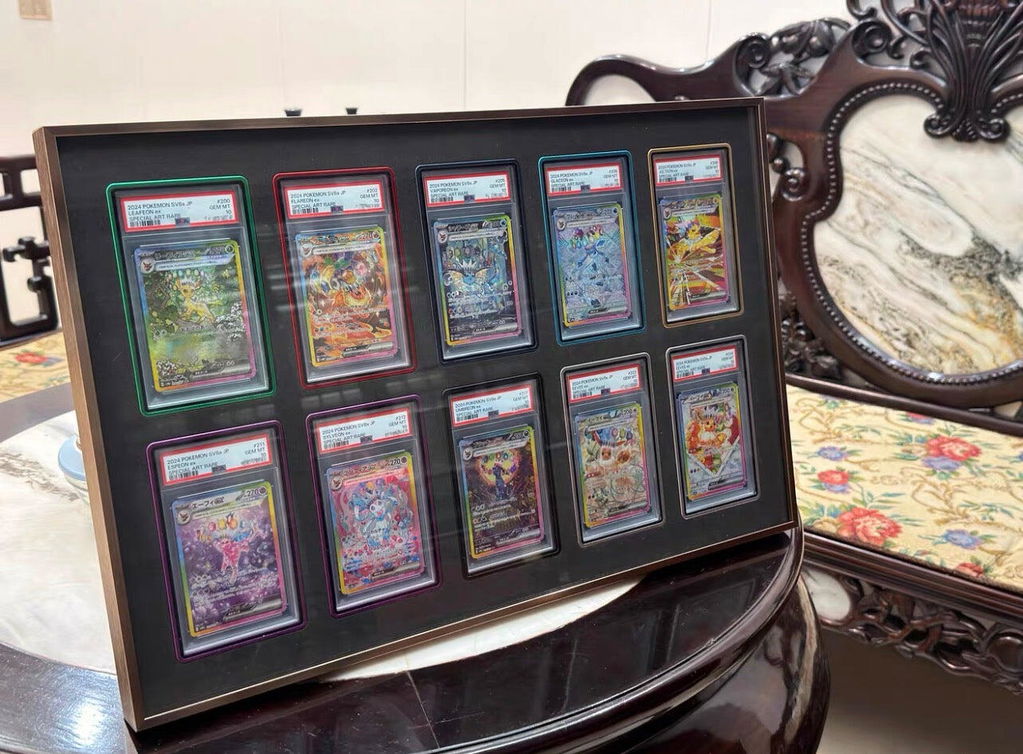
What about professionally graded video games?
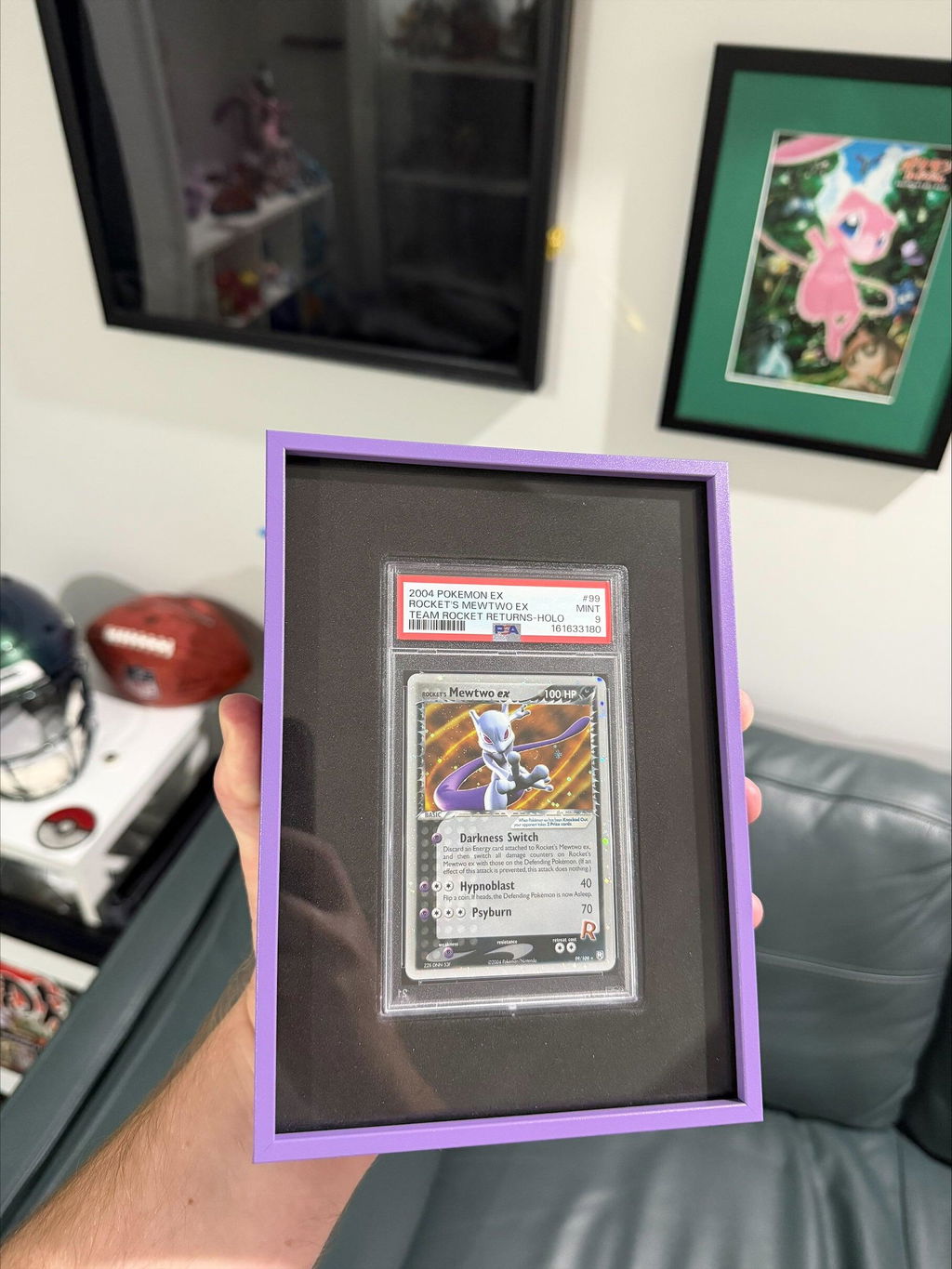
A graded video game typically sits inside a protective encapsulation system with a label describing the submitted item and a grade assigned under the grading company's methods. Encapsulation can reduce ordinary handling of the packaging, but the outer holder still needs safe storage and may itself scratch or become dirty.
Grading does not guarantee that every component inside is stable indefinitely or that the outer case filters a specified percentage of UV. Collector discussions about authenticity, grading standards and market value should be separated from claims about the long-term chemistry of plastics, inks and adhesives.
For a highly valuable graded game, record its certification information, photograph it carefully and choose a storage or display location based on the whole object, not just the grade on the label.
Game value and preservation: why price is not the whole story
Market value can affect how much protection a collector reasonably wants to buy, but it does not determine the physical sensitivity of the object. A low-cost game with unusual paper packaging may be more fragile than an expensive modern release in a rigid case. A sentimental first copy of a childhood game may be irreplaceable to its owner even if its resale value is modest.
Useful valuation work starts with comparable completed sales, matching region, edition, condition and completeness. Asking prices are not necessarily achieved prices. Keep a date against valuations because prices change. Avoid telling yourself that a rare-looking game is valuable solely because it is old or discontinued.
How to document a valuable game collection
A simple spreadsheet or inventory app can record title, platform, region, edition, serial or product code, condition, completeness, purchase date and price, current location, and photographs. For sealed or graded items, record distinguishing seal details and any certification number without assuming that certification substitutes for your own records.
Photograph the front, spine, back, corners, disc or cartridge label, manual and notable flaws. For large collections, use consistent file naming and preserve copies in more than one location. Documentation helps insurance discussions and future sales, but also makes it easier to notice changes before damage becomes serious.
Handling optical discs safely
PlayStation, Xbox and other disc-based systems introduce handling concerns that cartridge collectors may not face. The Library of Congress recommends handling optical discs by the edge and centre hole rather than touching the readable surface. Keep discs in a suitable case with a functioning centre hub, away from dust, liquids and abrasive surfaces.
A game case may look pristine while the disc has fingerprints or scratches. Inspect the disc under sensible lighting without repeatedly rubbing it. For cleaning, follow manufacturer guidance rather than using household solvents, toothpaste or abrasive polishes. Some damage can be made worse by aggressive home repairs.
Can video game discs suffer from disc rot?
Collectors use the phrase disc rot for a variety of optical disc failures, including deterioration of materials or layers. It is important not to diagnose every read error as disc rot. Scratches, fingerprints, drive faults, manufacturing defects and compatibility problems can cause similar symptoms.
Original pressed game discs and recordable media also differ in construction. Information about the lifespan of writable archival discs cannot automatically be transferred to every commercial PS1, PS2, Xbox 360 or Blu-ray game disc. Good storage reduces avoidable risk, but no practical home method can guarantee that all optical media will play forever.
If an important game stops working, document the symptoms and test cautiously with known-good equipment before attempting repair.
Why the case and centre hub matter for discs
A suitable case keeps the disc from moving freely and protects the surfaces from knocks. A broken or overly tight centre hub can create its own handling risks when a collector tries to remove a disc. Avoid bending the disc sharply to release it.
If an original case is damaged, consider how to retain the original artwork and packaging while using a safe replacement to house the disc. Keep records of which components have been replaced, especially for collectors who care about originality and complete-in-box status. An apparently small change in case may matter to a future buyer of a valuable edition.
Cartridge storage: labels, contacts and shells
NES, SNES, Nintendo 64, Game Boy, Mega Drive, Sega Genesis and other cartridge formats combine rigid shells, printed labels and electronic contacts. A cartridge can look attractive while its contacts are dirty or corroded; equally, cosmetic scuffs do not always mean a game will fail to work.
Keep cartridges away from damp rooms and loose liquids. Avoid touching contacts unnecessarily. For routine cleaning, consult guidance appropriate to the specific cartridge and do not scrape or polish valuable contacts aggressively. A collector concerned about authenticity should also document original labels, shells and screws rather than replacing them casually.
Do cartridge games contain batteries?
Some cartridge games use internal batteries for saved data or timekeeping, while others use different save technology or do not rely on an internal battery. This depends on the game and hardware generation. It is not safe to assume that every Nintendo or Sega cartridge contains the same cell.
Ageing batteries can eventually stop working and, in some situations, leak or damage nearby components. If a valuable cartridge requires inspection or replacement, use a technician familiar with the particular board and document any modification. Opening a rare cartridge or attempting soldering without suitable skills can create more damage than the problem you intended to solve.
Working consoles and controllers need separate care
Keeping the game cartridge or disc in good condition is not the same as keeping compatible hardware operational. Consoles, handheld systems and controllers may contain batteries, capacitors, fans, rubber parts and moving mechanisms that have their own ageing and maintenance requirements.
For a mixed collection that includes hardware, store the console according to its manufacturer's recommendations, inspect battery compartments and avoid leaving old removable batteries installed indefinitely. If there is visible leakage or swelling, do not use the item until it has been assessed safely. A frame designed for a game case should not be assumed suitable for a controller or powered handheld device.
Physical ownership and digital dependencies
A physical game release does not necessarily contain every file needed for every feature. Some games require updates, online verification, additional downloads or working network services. This matters when discussing preserving physical video games, because a pristine case and disc may not guarantee complete future playability.
Record which edition you own and, where appropriate, whether it has a complete playable build on the physical medium. Keep legitimate hardware and software documentation. Do not confuse the physical condition of a game with the ongoing availability of its digital services. The two aspects of preservation should be tracked separately.
Nintendo Switch and Switch 2 collection preservation
Nintendo Switch collections are distinctive because of their compact case shape, vivid spine colours and small cartridges. Keep the cartridge secure in its intended holder and be careful not to lose it when opening a case for photography or cleaning. The case's printed cover is still subject to ordinary light exposure, regardless of the red plastic surround.
Switch 2 packaging and release formats should be assessed individually, especially where a particular product uses a game-key card or requires an additional download. Collectors should preserve the physical components and understand any digital dependency rather than treating all modern cartridges as equivalent. Cases and replacement packaging can also vary, so measure actual items before ordering fitted protectors or display openings.
PlayStation preservation by generation
Original PlayStation games commonly use jewel-style cases, while many PS2 games use DVD-style cases and later PS3, PS4 and PS5 generations use other optical-disc packaging. These formats have different hinges, dimensions and potential failure points. A cracked PS1 jewel case, a PS2 paper cover and a PS5 case should not be treated as identical objects.
The underlying preservation principles remain consistent: keep the artwork out of direct sun, avoid heat and damp, support cases properly and minimise unnecessary handling of the discs. For unusual Japanese, European or limited editions, check the actual packaging before selecting a protector or cutout.
Xbox preservation by generation
Original Xbox and Xbox 360 releases commonly use DVD-style packaging, while Xbox One and Series X generations include different retail case designs and occasional alternative formats. Case thickness, inserts, disc count and special editions can vary. A green outer shell does not establish a fixed UV-filtering rating.
Collectors of Halo, Gears of War, Forza and Fable sometimes display complete franchise histories. For a mixed-generation wall, plan the layout around actual case dimensions and the condition of the artwork. Keep original inserts, discs and bonus material documented, particularly for editions that have changed packaging over time.
Retro collections require more individual assessment
Older formats can be harder to replace because surviving boxes and manuals may already have decades of wear. A loose Game Boy cartridge, a boxed Nintendo 64 release, a Sega Mega Drive clamshell and a boxed PC game are different preservation problems. The packaging itself may be as collectible as the game.
Avoid treating retro games as one universal format. Look closely at cardboard strength, labels, internal trays, staples, adhesives, plastic windows and foam packing. When unfamiliar materials are deteriorating, ask an appropriate conservator rather than applying an online cleaning trick that might be irreversible.
SteelBooks, collector's editions and unusual packaging
SteelBooks and other metal cases offer a distinctive appearance but can dent, scratch or corrode if treated carelessly. Keep metal packaging away from abrasive contact and persistent dampness. Collector's editions may combine printed sleeves, figurines, art books, discs, foam supports and fabric pieces with very different storage needs.
A large edition that fits poorly on a shelf should not be forced into place. Store heavy components where they cannot crush smaller boxes, retain protective internal packaging when appropriate, and document the original arrangement. A generic plastic game case frame may not fit these editions, even if the game inside uses a familiar platform.
How to store a large mixed-platform collection
Begin by grouping games into compatible formats rather than assuming one set of dimensions fits all. Separate standard DVD-style cases from compact Switch cases and unusually sized boxed editions. Decide whether your priority is alphabetic browsing, chronological console history, franchise grouping or visual display.
A mixed collection benefits from clear labels and inventories. Oversized cardboard packaging often needs its own shelf, while smaller games can be supported with dividers. Keep access space so cases can be removed without dragging neighbouring covers. For collector displays, plan adequate separation so different formats do not press against one another.
Planning a collection wall that is also practical
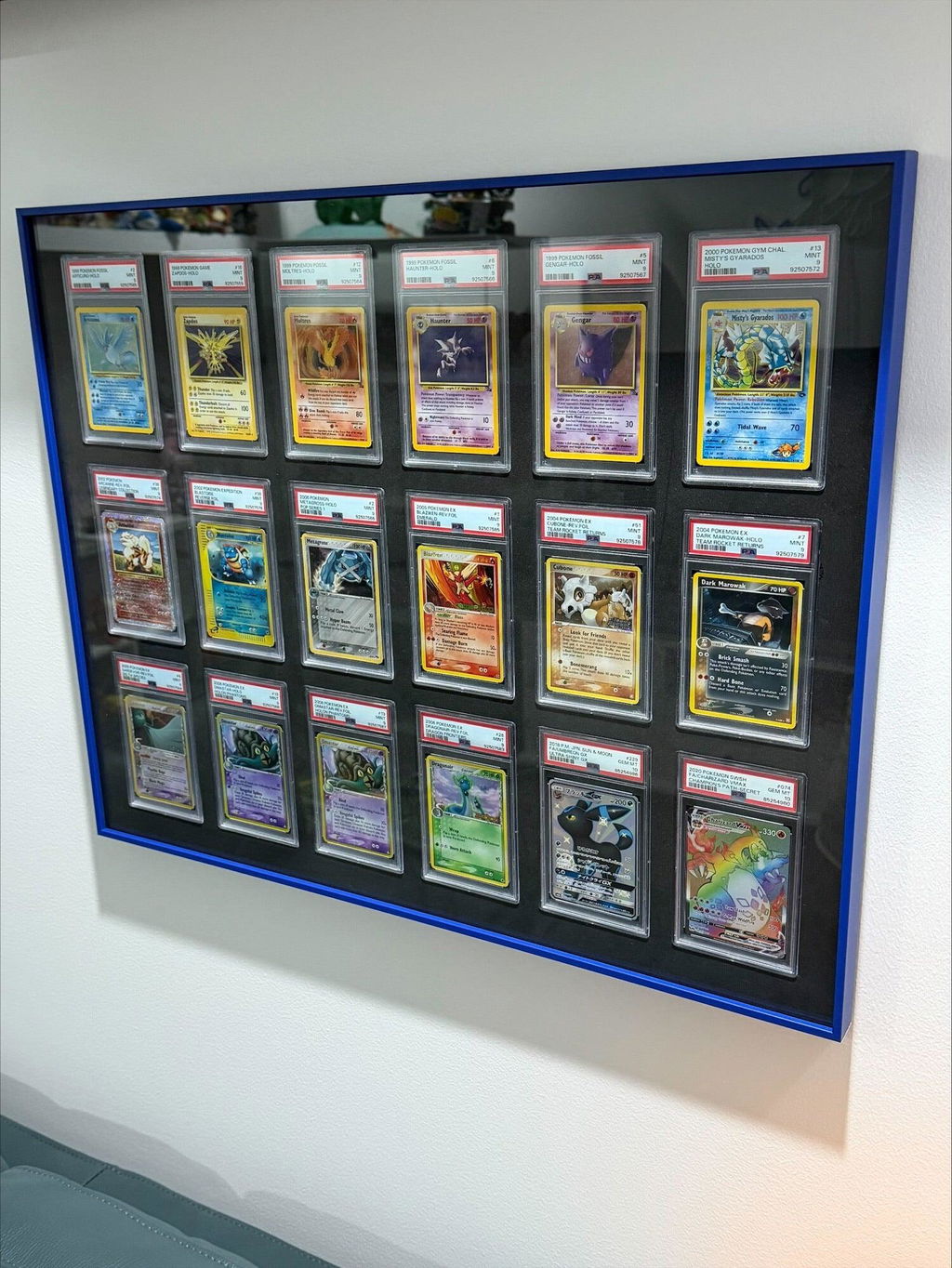
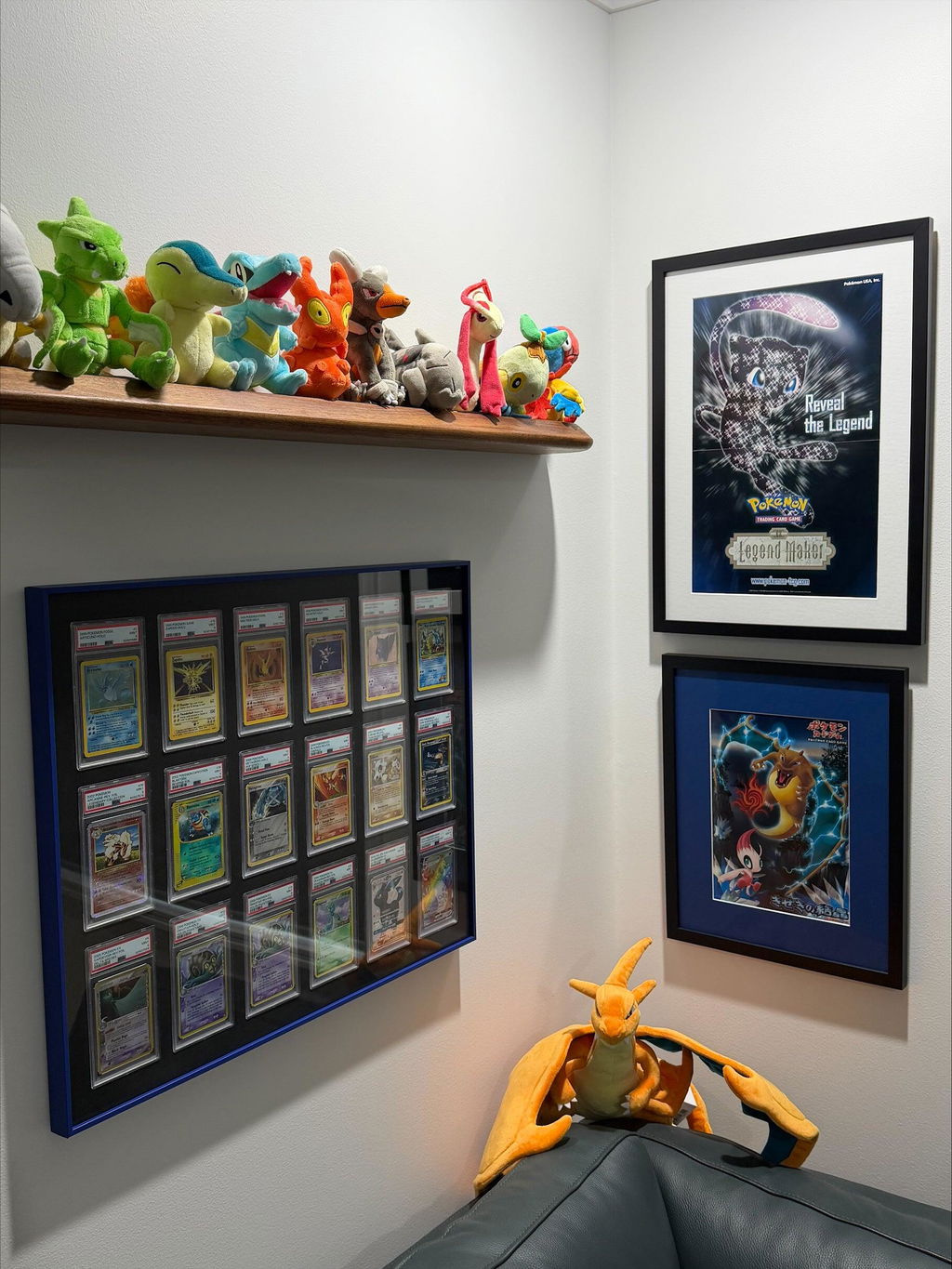
A collection wall can contain framed favourites, ordinary shelves, enclosed cabinets and storage for the games that are not on show. This layered approach often works better than trying to frame every item. Choose a wall with suitable light exposure, account for the weight of the display and ensure the mountings suit the wall material.
Test the arrangement at full scale before drilling. A frame holding 16 physical game cases is much larger than a single-card frame, and the final packed or mounted dimensions may not match a rough sketch. Allow room for accessing and replacing games. Avoid putting particularly fragile originals where they are handled frequently or exposed to bright lighting.
Budget, mid-range and specialist preservation plans
A useful preservation budget starts with the greatest preventable risk, not the most expensive accessory.
| Budget level | Practical priorities | What money adds | What it does not guarantee |
|---|---|---|---|
| No or minimal spend | Better room position, clean handling, stable shelves, sunlight avoidance | Significant reduction in avoidable exposure | Perfect climate control |
| Modest budget | Hygrometer, dividers, well-fitting protectors, covered boxes | More organisation and protection from contact | Certified UV filtration unless documented |
| Mid-range | Sturdy cabinets, appropriate enclosures, environmental improvements | Better control of dust and handling | Stable humidity in a damp room automatically |
| Premium display | Purpose-built frames, documented glazing, specialist presentation | Structured wall display and optical choices | Complete immunity to light or environmental ageing |
| Collection-grade preservation | Tailored conservation storage and professional assessment | More individualised management for high-value material | A universal lifetime guarantee |
For many people, upgrading the storage room and establishing an inventory should happen before purchasing the most sophisticated outer case.
When preservation expenses are justified
Spending more can make sense for a high-value sealed game, a fragile boxed collection, signed memorabilia or a collection being insured and documented. But the decision should be proportional to the actual risk and the collector's priorities.
A rare Pokémon game kept in a damp shed benefits first from relocation. A Zelda collection on a sunny shelf benefits first from improved placement. A carefully curated group of modern PS5 cases may justify a visually refined wall frame because presentation is the owner's priority. These are different problems; there is no honest one-price-fits-all solution.
How often should a collector inspect stored games?
A sensible inspection schedule depends on the room and the collection. In an ordinary stable home, periodic checks might focus on dust, sunlight patterns, humidity trends and whether packaging is being compressed. A damp or recently flooded location needs more frequent attention.
For valuable items, make dated photographs and compare them over time. Look for changes such as warped cardboard, spots, a damaged seal or new discolouration. Do not unwrap sealed items simply to inspect them if doing so would defeat the collector's purpose. When a significant change appears, identify the likely environmental cause before moving every item into a new container.
What should you do after a water leak?
Water can create a time-sensitive preservation problem. First make sure the area is safe, including electrical safety around consoles and other equipment. Move dry, unaffected games away from the source. Avoid stacking wet cardboard and plastic items together, because trapped moisture can worsen damage.
For a small incident, document the condition, separate affected objects and seek appropriate conservation advice for valuable paper packaging. Do not apply heat, hair dryers, household bleach or solvents to rare boxes. If mould is already present, avoid dispersing it through the rest of the collection. Professional help may be appropriate for highly valuable or extensively wet materials.
Signs that game packaging is deteriorating
Possible warning signs include persistent musty odours, new staining, swelling or waviness in paper, brittle or sticky plastics, cracked hinges, unusual haze, repeated disc read errors and corrosion on accessible metal parts. These symptoms do not all have the same cause, and some are merely cosmetic.
Document what you see, compare with earlier photographs and review the environment. Avoid trying multiple cleaning products on one object without identifying the problem. A collector benefits more from detecting a consistent dampness issue early than from repeatedly polishing an already stable case.
Common preservation mistakes
- Treating UV-filtering glazing as sunlight-proof: visible light and heat remain relevant.
- Storing games in an attic or garage without measurements: a dark space can still be hot or damp.
- Overpacking shelves and tubs: cardboard corners and cases can be crushed.
- Using ill-fitting protectors: tight shells can damage seals or paper edges.
- Cleaning with household solvents: plastics, inks and coatings respond differently.
- Replacing original parts without documenting them: completeness and provenance can become unclear.
- Assuming every old game is valuable: condition, edition, completeness and comparable sales matter.
- Assuming a physically preserved game will always be playable: hardware and digital dependencies require separate attention.
- Forgetting to inspect the room: leaks, condensation and sunlight patterns can change over time.
Three preservation scenarios
A large everyday PlayStation and Xbox library
A collector has hundreds of PS2, PS3, PS4, PS5, Xbox 360 and Xbox One games. Ordinary sturdy shelves in a stable interior room are likely to be practical. Dividers keep cases upright, and an inventory helps locate specific editions. The owner can display a few favourite covers face-out while keeping the remainder spine-out. Most of the money may be better spent on room conditions and organisation than on individual protective boxes for every modern game.
A sealed Pokémon and Nintendo collection
A smaller collection includes valuable sealed Pokémon games, boxed Nintendo titles and original paper inserts. Here, careful handling and protection against crushing may be priorities. Individual boxes, a dark storage location and good documentation could make sense. A collector might exhibit selected items temporarily, but permanent bright display is a different risk from long-term dark preservation.
A curated GameVault gaming-room wall
A collector wants to present a limited group of favourite Halo, Zelda or God of War releases in a purpose-built wall frame. The main goals are arrangement, consistent spacing and a finished appearance. An appropriate acrylic front can reduce handling and may offer documented UV filtering, but the collector should still choose a wall away from direct sun, check mounting security and confirm that each game case matches the selected format.
A long-term video game preservation checklist
- Inventory the collection by platform, edition, region and completeness.
- Photograph important packaging and existing condition.
- Choose a clean, stable room away from direct sun, heat and water risks.
- Measure humidity if the room is potentially damp.
- Support cases and boxes without squeezing their edges.
- Store optical discs in cases with functioning hubs; handle by the edge and centre hole.
- Keep original manuals, maps and paper inserts appropriately supported.
- Inspect battery-containing hardware or cartridges using suitable expertise.
- Separate physical condition from online service and download dependencies.
- Use documented UV-filtering materials where light exposure makes them useful.
- Review the collection periodically without unnecessary handling.
- Reassess the plan when the collection or storage environment changes.
Frequently asked questions
What is the best way to preserve video games long term?
Start with a cool, dry, stable indoor environment, limited direct light, appropriate support and careful handling. The best enclosure depends on whether you are storing a disc case, cardboard box, cartridge or sealed edition.
Should video games be stored upright or flat?
Most standard cased games are conveniently stored upright with support, avoiding leaning and compression. Oversized or fragile boxes may need different handling. Follow the requirements of the object rather than forcing every format onto the same shelf.
What temperature should video games be stored at?
Avoid excessive heat and large fluctuations. There is no single guaranteed domestic temperature for every game material; conservation sources generally favour stable, moderate or cool storage over hot attics and vehicles.
What humidity is best for video game collections?
Stable, moderate humidity is preferable to prolonged damp conditions. Different materials have different needs; monitor the actual room rather than assuming one number is universally ideal.
Can humidity damage PlayStation or Xbox game cases?
Yes. Printed artwork, manuals and other paper components are especially vulnerable to dampness. Some plastic and metal components can also be affected depending on material and conditions.
Can game cases develop mould?
Mould can grow on paper, cardboard, dirt or other suitable material in damp environments. A plastic case alone does not prevent mould affecting the contents.
Does sunlight fade video game covers?
It can. UV and visible light can contribute to changes in printed artwork. The degree varies with the inks, paper and total exposure.
Does 99% UV acrylic completely protect game cases?
No. The figure refers to the supplier's specified UV measurement; visible light, heat and other environmental factors still matter. Avoid direct sun even when using specialist glazing.
Is acrylic better than glass for game displays?
Acrylic is generally lighter and more impact-resistant than ordinary glass, while glass is usually harder and more scratch-resistant. Compare the actual product specifications for UV filtration, optics and structural suitability.
Are protective plastic game boxes worth using?
They can help reduce handling wear and protect fragile corners when correctly sized. Their effectiveness against UV or long-term chemical deterioration must be evaluated from the actual product specifications.
Should sealed games be put in airtight containers?
Not automatically. A tightly enclosed container can trap a poor internal environment, especially if an item is damp. Choose suitable materials and environmental conditions and avoid placing unstable plastics together without advice.
How do I protect the original seal on a video game?
Minimise handling, avoid pressure on folds or seams, keep it out of sunlight and use a well-fitting external enclosure when appropriate. Do not attempt to recreate or repair an original factory seal casually.
Can sealed video games lose value from sunlight?
Sunlight can change packaging condition, which may matter to buyers and graders. Market value also depends on edition, authenticity, completeness and actual sale comparables; no universal financial effect can be guaranteed.
Should rare games be displayed or kept in storage?
That depends on the collector's priorities and the object's vulnerability. Dark storage reduces light exposure, while considered display can still be reasonable with controlled lighting, suitable supports and periodic reassessment.
Do graded video games need additional protection?
Encapsulation can reduce direct handling, but the outer holder still needs a suitable environment. Do not assume a numeric UV rating for a grading case without documentation.
Can PS1, PS2 and PS3 discs suffer disc rot?
Some optical discs can deteriorate, but not every read problem is disc rot. Scratches, faulty equipment and manufacturing differences also matter. Good storage can reduce avoidable risks but cannot guarantee every disc's lifetime.
Should I clean a scratched disc with toothpaste?
No. Household abrasive treatments can worsen damage or produce unpredictable results. Follow appropriate disc-care guidance and consider specialist assessment for valuable media.
Do Nintendo cartridges need special storage?
Keep them dry and supported, protect the labels and avoid unnecessary contact with electronic contacts. Batteries or other internal components, where present, may require separate maintenance.
Do all Game Boy and Nintendo 64 games have save batteries?
No. Save technologies vary by cartridge and release. Identify the exact game and board before assuming it contains a battery or attempting replacement.
How do I store Switch and Switch 2 game cases?
Use stable, supported shelving or suitably fitted display options, keep the cover artwork away from direct sunlight and protect the small physical game component from loss. Check unusual packaging and download requirements individually.
Can LED lighting damage game covers?
Visible light from LEDs can still contribute to cumulative fading even when UV emission is low. Keep brightness and display duration reasonable; avoid unnecessary heat.
Should I use a dehumidifier for my game room?
Only if measurements show a moisture issue that needs control. A dehumidifier can help in some climates, but it should be monitored rather than set blindly.
What should I do with old game manuals and maps?
Keep them supported, away from light and dampness, and avoid irreversible lamination or adhesives. Use suitable paper enclosures if separate storage is needed and document which game each component belongs to.
Is a glass cabinet enough to preserve valuable games?
A cabinet can reduce dust and handling, but it generally does not provide climate control or complete UV protection. The surrounding room and lighting still matter.
How often should I check a stored video game collection?
Inspect periodically based on the environment and the collection's value. Look for changes in humidity, light exposure, packaging condition and signs of pests or water damage.
Does a physical game guarantee future playability?
No. Discs and cartridges may age, compatible hardware may fail and some releases rely on updates or online services. Physical preservation and functional preservation are related but distinct goals.
Can a faded video game cover be restored?
Conservation treatment can sometimes address certain damage, but fading is usually a chemical change that cannot be reversed simply by darkness or cleaning. Avoid home bleaching, repainting or chemical treatments on original collectible artwork.
What is the safest way to move a valuable game collection?
Photograph and inventory items first, pack to prevent shifting and crushing, keep packages away from heat and moisture, and insure shipments as appropriate. Allow temperature acclimatisation before unpacking if conditions have changed significantly.
Further technical reading
The following conservation and institutional resources explain environmental control, paper storage, plastics and optical media. Their guidance applies to material categories and should be interpreted thoughtfully for individual commercial video games.
- Library of Congress: Care, Handling and Storage of Audio Visual Materials
- Library of Congress: Optical Discs and Long-Term File Storage
- Canadian Conservation Institute: Storing Works on Paper
- Canadian Conservation Institute: Caring for Paper Objects
- Canadian Conservation Institute: Caring for Plastics and Rubbers
- National Archives: How to Preserve Family Archives
- Canadian Conservation Institute: Basic Care for Works of Art on Paper
Final thoughts
Long-term video game preservation is not one product or one ideal number. A game collection is a mixture of media, paper, plastic, cardboard, electronics and sometimes original seals. Each component has different vulnerabilities. The most effective everyday decisions are often the simplest: keep games away from direct sunlight, avoid damp and extreme heat, handle discs and fragile paper carefully, and support packaging without pressure.
Shelves, protective boxes, cabinets and frames each have a place. The appropriate choice depends on whether a collector wants frequent access, careful long-term storage or an attractive display of selected favourites. A more expensive display can offer meaningful presentation and material advantages, but it cannot replace a sensible environment or promise that ageing will stop.
The best collection is one that remains accessible, documented and cared for, whether it contains one treasured original Pokémon game or hundreds of PlayStation, Xbox and Nintendo releases.
Continue Exploring
Explore related guides covering video game display methods, platform collections, game case dimensions and preservation materials.
Collector guides
-
How to Display Video Game Cases: Complete Guide
Compare shelves, stands, cabinets and wall frames for physical game collections. -
How to Display Nintendo Switch Games
Practical display ideas for Switch, Switch 2, Pokémon, Zelda and Mario collections. -
How to Display PlayStation Game Cases
Learn how case formats and display priorities vary from PS1 to PS5. -
How to Display Xbox Game Cases
Explore Original Xbox, Xbox 360, Xbox One and Series X collections. -
Video Game Case Sizes Explained
Compare dimensions, thicknesses, editions and compatibility. -
How to Display Rare and Sealed Video Games
Protect valuable packaging and understand condition and valuation.
Protection and display guides
-
UV Protection for Video Game Cases
Understand ultraviolet wavelengths, glazing specifications and preservation. -
Can Sunlight Fade Video Game Cases?
Learn how printed game cover artwork changes under prolonged exposure. -
Do Plastic Video Game Cases Block UV?
Separate physical case protection from documented UV filtration. -
Acrylic vs Glass for Video Game Displays
Compare optical clarity, weight, scratching and specialist glazing. -
LED Gaming Room Lighting & Game Preservation
Explore RGB lighting, visible-light exposure and practical room design.
Explore display collections
-
SLABBED™ Studio: Video Game Display Frames
Explore the current display range and available game case configurations.

0 comments